
Indoor air quality affects how people breathe, sleep, and function throughout the day. Many modern homes and workplaces are designed to be energy efficient, which often means less natural airflow. As a result, airborne particles such as dust, pollen, pet dander, smoke residue, and household pollutants can accumulate indoors. Over time, this buildup may affect comfort and health, particularly for people with sensitivities.
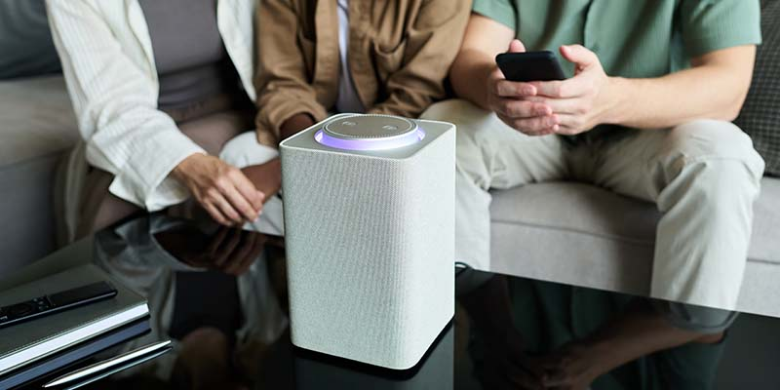
Air purifiers are commonly promoted as solutions to these concerns. Claims often suggest that they can dramatically improve breathing, reduce illness, or eliminate indoor pollution entirely. Understanding air purifiers health benefits requires separating realistic outcomes from exaggerated expectations. These devices can support cleaner air, but their effectiveness depends on how they are used, where they are placed, and who is using them.
How Air Purifiers Work
Air purifiers are designed to clean indoor air by pulling it through one or more filters. As air passes through the system, particles are trapped and removed before the air is released back into the room. Most residential air purifiers rely on mechanical filtration rather than chemical processes.
High-efficiency particulate air filters are commonly used to capture small particles such as dust, pollen, mold spores, and pet dander. Some purifiers also include activated carbon filters that absorb odors and certain gases. The device continuously cycles air, gradually lowering the concentration of airborne contaminants in a specific space.
Effectiveness depends on airflow rate, filter quality, and room size. A purifier that is too small for a room may struggle to make a noticeable difference, while poor maintenance can significantly reduce performance.
Potential Benefits for Indoor Air Quality
Air purifiers may improve indoor air quality by reducing the number of airborne particles people breathe throughout the day. This reduction can contribute to greater comfort, particularly in enclosed spaces where pollutants tend to linger.
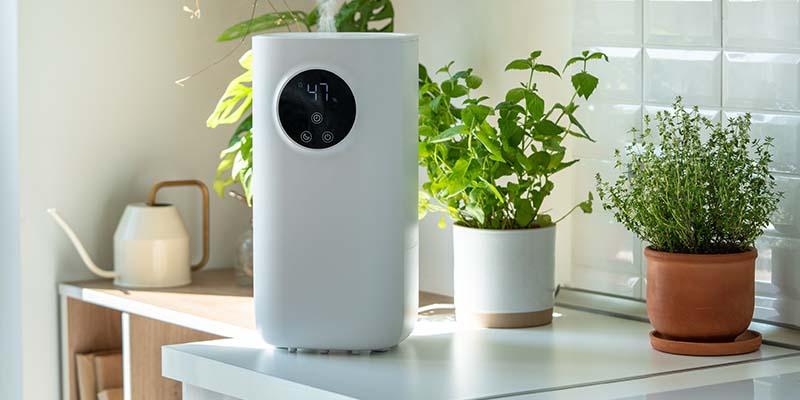
Improved indoor air quality does not mean air becomes sterile or completely free of particles. Instead, it means that concentrations of common irritants are lower than they would be without filtration. This reduction can make indoor environments feel fresher and less irritating for some occupants.
Benefits are most noticeable in bedrooms, offices, and living areas where people spend long periods of time. Consistent use matters more than short, occasional operation.
Air Purifiers and Allergy Relief
Allergy relief is one of the most common reasons people consider air purifiers. Allergens such as pollen, dust mites, and pet dander can trigger symptoms when inhaled. Reducing airborne exposure may lessen symptom severity for some individuals.
Air purifiers are most effective for allergies triggered by airborne particles rather than contact allergens. They work best when combined with regular cleaning practices that address allergens settled on surfaces. For many people, purifiers offer support rather than complete relief.
In practical terms, allergy relief from air purifiers tends to be gradual. Improvements may be subtle rather than dramatic, especially in homes with multiple allergen sources.
Respiratory Health and Cleaner Air
Respiratory health can be influenced by prolonged exposure to airborne irritants. Smoke, dust, and fine particles may irritate airways and contribute to discomfort, coughing, or breathing difficulty in sensitive individuals.
Reducing airborne irritants may support easier breathing, particularly for people with asthma or chronic respiratory conditions. Cleaner air may reduce irritation that aggravates symptoms, though it does not address underlying medical causes.
Air purifiers support respiratory health by managing environmental factors. They do not replace medical care, prescribed treatments, or emergency interventions.
What Air Purifiers Can Help With
Understanding realistic benefits helps clarify when air purifiers are worth considering. They are most effective for specific, limited purposes rather than broad health claims.
Air purifiers may help with:
- Reducing airborne allergens such as pollen, dust, and pet dander
- Lowering concentrations of smoke particles from cooking or outdoor sources
- Supporting allergy relief in enclosed indoor spaces
- Improving perceived indoor air freshness
- Reducing irritation for people sensitive to airborne particles
These benefits depend on proper sizing, filter quality, and regular maintenance. Results vary by environment and individual sensitivity.
Understanding the Limits of Air Purifiers
Air purifiers do not address all indoor air concerns. They cannot remove pollutants already settled on furniture, carpets, or walls. They also do not control humidity, which plays a role in mold growth and dust mite populations.
Odors and gases may require specialized carbon filters, and even those have limits. Persistent pollution sources such as indoor smoking, poor ventilation, or ongoing moisture problems reduce purifier effectiveness.
Understanding these limits prevents unrealistic expectations and frustration. Air purifiers work best as part of a broader indoor air strategy rather than as a standalone fix.
Who Is Most Likely to Benefit
Not everyone experiences noticeable improvements from air purifier use. Certain groups tend to benefit more consistently due to increased sensitivity or exposure.
People who may benefit most include those with allergies, asthma, or respiratory sensitivities. Households with pets, high pollen exposure, or nearby traffic pollution may also notice improvements.
Individuals living in regions affected by wildfire smoke or seasonal pollution often find air purifiers helpful during peak exposure periods. Benefit depends on matching the device to specific needs rather than general assumptions.
Situations Where Air Purifiers Are Most Useful
Air purifiers tend to offer the greatest value in specific scenarios rather than universally.
They are particularly useful when:
- Outdoor air quality is poor and windows must remain closed
- Allergy symptoms worsen indoors despite regular cleaning
- Smoke from cooking or nearby sources lingers
- Bedrooms need cleaner air for sleep comfort
- Ventilation options are limited
In these contexts, air purifiers can meaningfully support indoor air quality.
Maintenance and Proper Use
Maintenance directly affects air purifier performance. Filters must be replaced or cleaned according to manufacturer recommendations. A clogged or outdated filter reduces airflow and may release trapped particles back into the air.
Placement also matters. Air purifiers should be placed where airflow is not obstructed and where people spend the most time. Running them continuously at moderate settings often provides better results than short, high-power bursts.
Proper use sustains air purifiers health benefits over time and prevents wasted effort.
Alternative Ways to Improve Indoor Air Quality
Air purifiers are most effective when combined with other indoor air practices. Addressing pollution sources directly often produces the most noticeable improvements.
Supporting indoor air quality also includes:
- Regular vacuuming with appropriate filtration
- Controlling indoor humidity
- Using exhaust fans in kitchens and bathrooms
- Ventilating spaces when outdoor air allows
- Reducing use of strong chemical cleaners
These steps complement air purifier use and address factors purifiers cannot control.
Common Misconceptions About Air Purifiers
Air purifiers are sometimes assumed to eliminate illness or prevent infections. While they may reduce airborne particles, they do not guarantee protection against viruses or bacteria in everyday settings.
Another misconception is that bigger machines are always better. Oversized units may be unnecessary for small spaces, while undersized ones struggle in large rooms. Choosing appropriately sized devices supports more reliable results.
Final Thoughts
Air purifiers can support health by improving indoor air quality and reducing airborne irritants. Their benefits are most noticeable for people seeking allergy relief or respiratory comfort in enclosed spaces. Understanding both benefits and limits helps set realistic expectations and avoid disappointment.
Air purifiers are not cures or replacements for ventilation, cleaning, or medical care. When used thoughtfully as part of a broader indoor air strategy, they can play a meaningful supportive role in promoting comfort and respiratory health.