
The Mediterranean diet is not just a way of eating but is a healthy and enjoyable way of life. It helps you stay fit, protect your heart, and feel more energetic by focusing on fresh, natural foods. The diet plan also promotes mindful eating and emphasizes the importance of staying physically active.
What makes it even more approachable is that you don’t need to change everything overnight. People can start small by adding more colorful veggies, using olive oil, or swapping red meat for fish. With time, these simple choices can have a significant impact on your health and overall well-being. If you want to learn more about the Mediterranean diet, its impressive benefits, and food to include in your diet, keep reading!
What is the Mediterranean Diet?
The Mediterranean diet is a way of eating inspired by the traditional eating habits of people living in countries around the Mediterranean Sea. There is not just one fixed version of the diet because there are many different countries in this region. Each country, as well as each area within a country, has its own unique style, rooted in local culture.
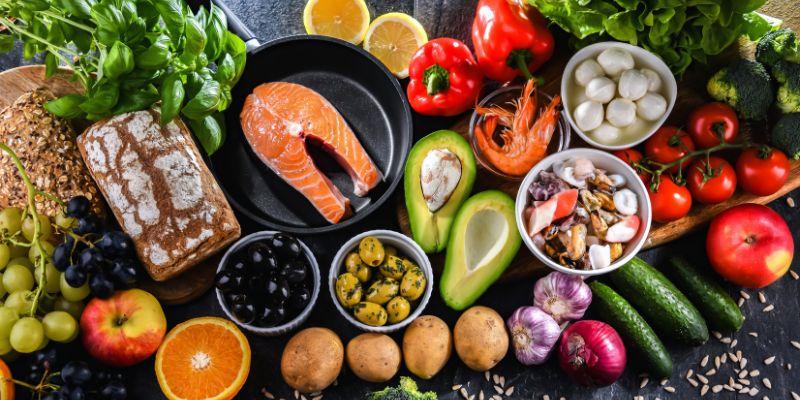
However, the Mediterranean diet adheres to several common principles. It focuses mainly on natural and plant-based foods, such as fruits, vegetables, and many more. Olive oil is the primary source of fat. It is also recommended to consume fish, and other dairy products in moderation. Overall, this diet encourages simple, fresh, and healthy eating. It supports heart health and overall well-being.
Health Benefits of the Mediterranean Diet
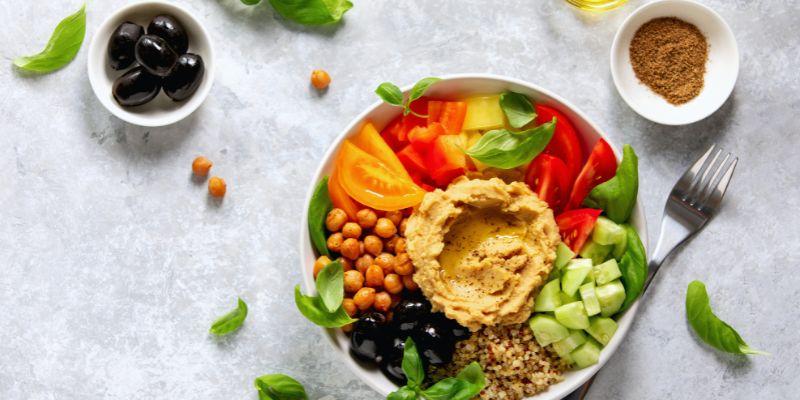
The Mediterranean diet focuses on healthy eating habits. It does not have strict rules or calorie counting and offers a wide range of health benefits. People who follow this diet have a lower risk of heart disease, heart attacks, and strokes. It also helps maintain a healthy weight. It keeps blood sugar, cholesterol, and blood pressure at safe levels. Following this diet can reduce the risk of metabolic syndrome. The diet supports a healthy gut, also lowers the risk of some cancers, slows brain ageing, and can even help you live longer. These benefits come from the types of foods the diet promotes. It limits unhealthy fats, such as saturated and trans fats.
Fats can raise bad cholesterol and cause inflammation. Instead, it encourages the consumption of healthy fats, such as olive oil and omega-3 fatty acids. These ingredients improve heart and brain health. The Mediterranean diet is also low in sodium, which helps prevent high blood pressure. It limits refined sugars and processed carbs. It can cause blood sugar spikes and provide little nutritional value. Instead, it allows you to eat fiber-rich foods like fruits, vegetables, and many more. All of these ingredients support digestion and help stabilize blood sugar levels. Antioxidant-rich foods provide additional protection against inflammation and disease. However, no single food gives all these benefits. It is the mix of nutrients working together, much like a choir. Each food plays its part, but together they create a balanced and healthy way of eating.
Foods To Eat
The Mediterranean diet emphasises a diet rich in plant-based foods and whole grains. It encourages plenty of vegetables, fruits, whole grains, beans, nuts, and seeds. You can include fish and seafood at least twice a week. You can use fresh, frozen, or canned fruits and vegetables. Just be sure to check labels for added sugar or salt. Common vegetables include tomatoes, spinach, broccoli, carrots, and cucumbers. Fruits such as apples, oranges, berries, grapes, and melons are excellent choices.
Nuts and seeds such as almonds, walnuts, sunflower seeds, and peanut butter provide healthy fats and protein. Whole grains, such as oats, brown rice, and whole wheat bread, are rich in fiber. Fish such as salmon, sardines, and tuna are important sources of omega-3 fatty acids. Poultry, and dairy, such as cheese and yoghurt, can be eaten in moderation. Olive oil, avocados, and olives are the primary sources of healthy fats in this diet.
Food To Avoid
When following the Mediterranean diet, it’s best to limit foods that are highly processed or contain unhealthy ingredients. Try to reduce your intake of added sugars. It is often found in soft drinks, candies, desserts, syrups, and sweet baked goods. These foods can lead to weight gain and other health issues.
Avoid refined grains, such as white bread, white pasta, tortillas, chips, and crackers. They lack the fiber and nutrients found in whole grains. Additionally, avoid trans fats, which are unhealthy fats commonly found in margarine, fried foods, and processed snacks. Reduce your intake of processed meats, including sausages, hot dogs, and beef jerky. They are high in sodium and preservatives. Lastly, try to limit your consumption of highly processed foods, such as fast food, packaged meals, and microwave popcorn, among others.
How Do I Create A Mediterranean Diet Meal Plan?
Before starting a Mediterranean diet, it's best to talk with your doctor or a dietitian. They can help you create a plan that fits your health needs and lifestyle. They will also suggest recipes and meal ideas to help you get started. When planning your meals, aim for variety to prevent boredom. Collect a few easy recipes for breakfast, lunch, dinner, and snacks. Let's discuss in detail.
- Breakfast: Start your day with meals like oatmeal topped with berries and flax-seeds, whole-grain toast with nut butter. Greek yogurt with fruit and nuts, or an egg-white omelette filled with vegetables, is also a great breakfast option.
- Lunch: Try light yet filling meals, such as a whole-grain pasta salad with vegetables, tabbouleh with lemon and herbs, and quinoa with salmon. You can prepare lunches the night before for convenience.
- Dinner: Enjoy dishes like salmon with salsa, roasted chicken with beans, chickpea and spinach pancakes, or a black bean burger on whole-grain bread. Pair your meal with a fresh salad and a drizzle of olive oil dressing.
- Snacks: Keep healthy snacks ready, such as a handful of nuts, fresh fruit, Greek yogurt with dark chocolate, and whole-grain crackers with hummus.
Conclusion
The Mediterranean diet is a simple and healthy way of eating. It focuses on fresh and natural foods. It helps improve heart health, supports a healthy weight, and boosts overall well-being. You can feel more energetic and live a healthier life. It’s not just about what you eat, but also how you live. Staying active and sharing meals with family and friends makes it even more rewarding.