
When your doctor mentions cholesterol or you spot it on a food label. The word often sparks worry because it has a largely negative impact. It plays a crucial role in producing healthy cells and tissues throughout the entire body. The problem begins when cholesterol levels become too high, which can be a cause of heart disease.
If you choose the right foods, they can help decrease cholesterol levels and support heart health. It means you have a lot of control over your cholesterol level, and it starts with your diet. In this article, you will find all the details about what cholesterol is, its types, and the diet that helps lower the cholesterol level in the body.
What is Cholesterol?
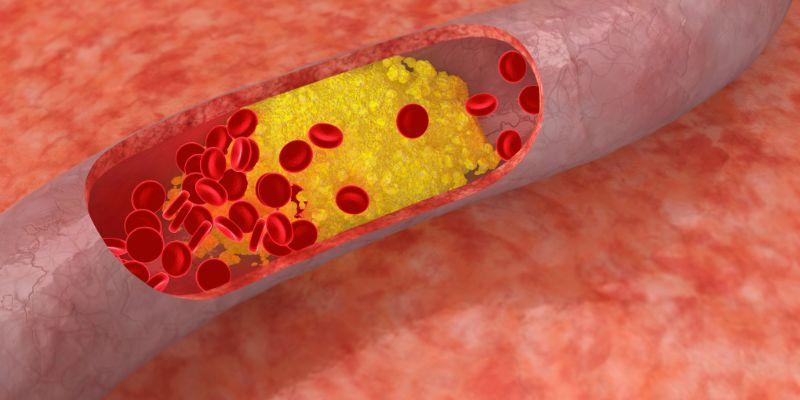
Cholesterol is a fatty substance that is necessary for all body functions. It is found in every cell of the human body. The liver utilizes cholesterol to produce hormones, vitamin D, and various acids that facilitate digestion. Cholesterol mostly comes from the fats you eat, such as meat, poultry, and fatty dairy products. When an individual consumes too much cholesterol in their diet, it circulates in the bloodstream.
It can be stored in the walls of their arteries. It is known as plaque, which can narrow the arteries. It can make them less flexible, and blood flow is reduced. This situation is called atherosclerosis. This condition is detrimental to human health. Because if a plaque breaks down, a blood clot can form that blocks blood flow to the heart or brain, potentially causing a heart attack or stroke.
Types of Cholesterol
Cholesterol travels through the bloodstream in combination with proteins that form spherical structures, known as lipoproteins. There are three types of cholesterol, but two are the main categories: one is LDL, or low-density lipoprotein. This cholesterol is stored in the arterial walls. Another type is HDL, or high-density lipoprotein, which helps remove excess cholesterol from the body. I provide the details of these types below.
- Low-Density Lipoprotein (LDL): It is also known as "bad cholesterol." LDL transports cholesterol particles throughout the body. A high level of LDL cholesterol causes plaque to deposit in the arteries, which can develop into a very dangerous condition. When doctors discuss lowering cholesterol, they focus on reducing your LDL.
- High-Density Lipoprotein (HDL): HDL is commonly referred to as the "good cholesterol." It causes the excess cholesterol in your blood to be taken back to the liver, where it's broken down and removed from the body. It is the opposite of LDL, and having healthy levels of HDL cholesterol can actually protect you from heart attacks and strokes. A higher number of HDL is better for human health.
- Triglycerides: The body's lipid panel also measures triglycerides, which are another type of cholesterol in the blood. Your body converts calories that aren't needed into triglycerides. High levels of triglycerides, especially when combined with high LDL or low HDL, also raise your risk for heart disease.
Reasons for High Cholesterol
High cholesterol in the body indicates an unhealthy lifestyle, characterised by excessive consumption of saturated fats and insufficient physical activity. A daily workout plays an important role in burning fat more effectively. Other reasons are also responsible for high cholesterol, like gender, age, stress, and smoking.
How to Lower Cholesterol with Your Diet
Changing your overeating habit is one of the easiest and effective ways to decrease your LDL cholesterol. It does not mean you have to leave all your favorite foods. Create a plan to incorporate more healthy foods into your daily routine.
Reduce Fats
Saturated fats are the primary source of LDL cholesterol and are commonly found in foods such as red meat and dairy products, including butter. Medical experts suggest limiting saturated fat to no more than 6% of daily calories. Transformed fats are harmful to health as they increase the level of LDL cholesterol more quickly while decreasing the level of good cholesterol. Although many countries have banned artificial fats, people still consume them in the form of fried foods. A person can easily find alternatives, such as choosing olive oil instead of butter.
Eat Healthy Fats
Do not think that all fats are harmful. Remember that unsaturated fats can help improve heart health. Monounsaturated fats are found in various foods, including olive oil, canola oil, avocados, nuts, and seeds. Make a goal to include fatty fish at least twice a week and consider adding nuts to your daily meals for more benefits. Below is a table showing daily calorie and saturated fat intakes. I hope it's been helpful for you. Let's take a look at it.
Calories per Day | Saturated Fats |
1200 | 8 grams |
1500 | 10 grams |
2500 | 17 grams |
Fiber
Fiber plays a significant role in lowering cholesterol levels. Rich sources of fats include oats, barley, legumes, fruits, and vegetables. Starting your day with oatmeal, adding beans to soups, and taking fruits as a snack are practical ways to increase your intake.
Eat Whole Grains for a Healthy Heart
Whole grains are an important part of healthy heart foods because they retain all three parts of the grain. It provides fiber, vitamins, minerals, and antioxidants. Whole grains support better digestion and reduce cholesterol absorption. Eating whole grains regularly can effectively decrease LDL cholesterol. Adding whole grains to daily meals is simple and easy. You can easily replace white bread with whole wheat bread and choose brown rice instead of white rice, and many other options.
Conclusion
Managing your cholesterol level is not as hard as people say. Start by making very small changes to your food to lower your cholesterol level this week. As you feel comfortable, gradually incorporate the foods mentioned above into your daily life. Continue regular physical activity and maintain a healthy weight. These habits are designed to promote a healthier heart and a more active lifestyle. Always consult your doctor before making significant changes to your diet, especially if you have pre-existing health conditions. This article helps you maintain a healthy heart and balanced cholesterol level. Wish you all the best.