Holding a plank might look straightforward, just resting on your forearms and toes, staring at the floor, waiting for the seconds to pass. But anyone who's ever done it knows the truth: planks demand focus, control, and a bit of grit. While it doesn't involve flashy movement or complicated gear, the plank tests your body in a way few other exercises can. It's not just a workout for your core; it taps into strength, balance, and mental discipline. If done the right way, a plank offers more return than most assume, and understanding how to do it correctly is key to reaping its real benefits.
Proper Form: The Foundation of a Good Plank
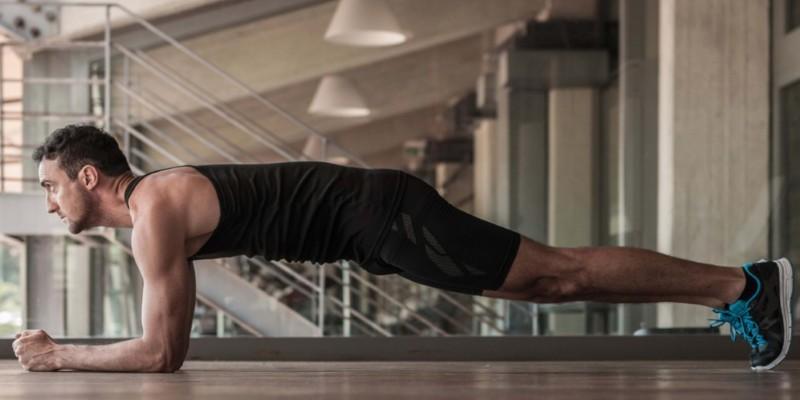
Most people think they’re doing a plank right until their lower back sags, their hips rise too high, or their head droops. Proper alignment makes all the difference. A plank starts with a straight line from the top of your head to your heels. That means your neck stays neutral, your shoulders are directly over your elbows or wrists, and your hips don’t dip or tilt. Engage your abdominal muscles, pull your belly button slightly in toward your spine, and keep your glutes tight.
It helps to think of your body as one solid unit. Your hands or forearms press evenly into the floor, your legs stay straight without locking the knees, and your feet remain hip-width apart for stability. Breathing during a plank is often overlooked. People tend to hold their breath, but steady breathing helps maintain control. Take slow, controlled inhales and exhales to stay focused and reduce unnecessary tension.
There’s no need to go for a record-breaking time. Planking for 20 to 60 seconds with solid form will always be better than two minutes of poor alignment. As with any exercise, quality beats quantity every time.
Why the Plank Packs So Much Value?
The plank might look basic, but it challenges far more than just your abs. It’s a full-body effort that calls on your shoulders, chest, arms, back, glutes, and legs—all working together to hold a single, steady position. Because it doesn’t involve movement, it relies on tension and control, making it a surprisingly tough and effective way to build strength.
One of its biggest upsides is how much it helps with posture. A strong plank builds the muscles that keep your spine in good alignment, which comes in handy whether you're sitting at a desk or carrying groceries. It trains your body to stay balanced and upright without straining your back. If you tend to sit for long periods, planks can be a smart way to undo some of the wear and tear that comes with that.
It’s also low-impact and doesn’t require gear, making it approachable no matter your experience level. With the right form, it's safe, practical, and useful. It doesn't need to be flashy to be effective; the value is in how well it strengthens the muscles you count on every day.
How Planks Build More Than Just Core Strength
Most people train for a strong core and stop at crunches. But your core goes far beyond visible abs. It includes deep, stabilizing muscles running from your shoulders to your hips, like the transverse abdominis, obliques, pelvic floor, and erector spinae. A proper plank works all of them together in real-time coordination.
When the core muscles are strong and coordinated, they protect the spine during movement. This means better performance in physical activity and less risk of back injuries. For runners, a stronger core improves stride control. For people lifting heavy objects, whether in a gym or real life, it adds needed support. Even in simple actions like getting up off the floor or bending to tie your shoes, core strength makes things smoother.
Planking also improves balance and coordination. While it may not seem like a balance exercise, it requires your body to resist gravity without shifting position. That demand builds body awareness, teaching your muscles how to fire together efficiently. This leads to better athletic movement, quicker reaction times, and greater confidence in physical tasks.
It’s also worth mentioning that holding a plank challenges mental endurance. Time feels slower when you're in it, and staying with that discomfort can improve focus. That discipline often translates beyond the floor, supporting mental sharpness in other parts of life.
Making Progress with Planks
Getting better at planks isn’t just about lasting longer. More time doesn’t always mean better results, especially if form breaks down. A smarter way to progress is by switching things up while staying true to solid technique.
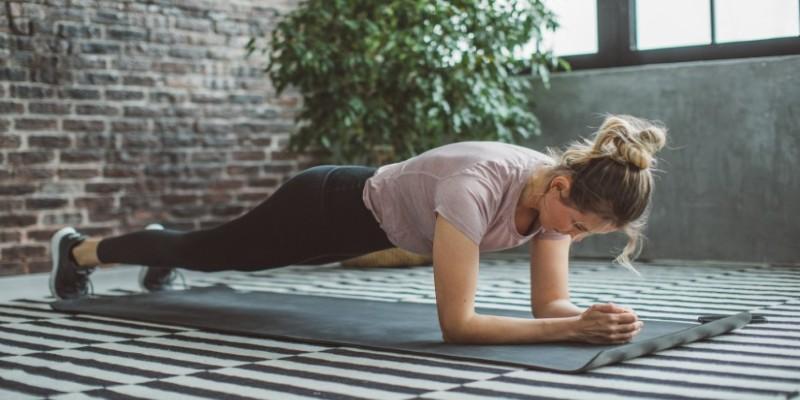
Side planks shift the focus to your obliques and help improve side-to-side stability. Forearm planks ask more of your core than the straight-arm version. Add movement, like raising a leg, tapping a shoulder, or reaching forward, and you force your body to stay balanced under changing pressure. These variations keep your muscles guessing and your practice more effective.
Your level matters, too. If you’re coming back from injury or just starting out, short knee-supported holds can help you build strength safely. If you’ve been at it for a while, try lifting a limb or using an unstable surface to test your control. The trick is to focus on how it feels, not how long it lasts. What really makes a difference is showing up consistently. A few rounds several times a week can do more than chasing personal records. Form first, always.
Conclusion
Holding a plank isn't glamorous, and it rarely draws attention the way complex movements do. But in its simplicity lies its value. A well-executed plank strengthens the body in a connected way, reinforcing the muscles that help you move, stand, and stay steady in daily life. It's approachable yet demanding, steady but powerful. Whether you're new to exercise or deep into a routine, mastering the plank gives your body a solid foundation to build from. All it takes is consistency, good form, and a bit of patience. The results will speak for themselves.