In the deep expanse of Libya’s Ubari Sand Sea, a chain of clear, glimmering lakes lies between towering dunes. These crystal bodies of water appear as tranquil jewels in an otherwise lifeless desert. To the eye, they seem pure and life-giving, yet their beauty hides a dangerous truth.
The same water that looks capable of saving lives can instead bring death through thirst. The Ubari lakes have long fascinated scientists, photographers, and travellers alike, but their story reveals the deceptive balance between nature’s beauty and its harsh realities.
A Mirage That Becomes Reality
The Ubari Sand Sea stretches across the Fezzan region of southwestern Libya, one of the driest parts of the Sahara. Amid the golden dunes, dozens of lakes shimmer under the fierce sun. Their clarity deceives many who pass through, suggesting cool relief from the desert’s heat.
In reality, these waters are so dense with salt and minerals that a single swallow can worsen dehydration. To locals, they are “the sleeping waters,” beautiful but not meant for consumption. Their existence reflects nature’s ability to disguise peril in splendour, challenging assumptions about what sustains life.
How The Lakes Came To Survive?
Geologists explain that these lakes are remnants of an era when the Sahara was lush and green. Subsurface aquifers, buried deep under layers of sand, still feed the basins. As this trapped groundwater rises, it dissolves ancient mineral deposits from surrounding rocks, creating salt-rich pools.
With every cycle of evaporation, the concentration increases, leaving behind water that sparkles yet cannot sustain life. Over time, the surrounding environment adapted to these extreme conditions, forming a unique but fragile ecosystem.
The Lethal Allure Of Lake Gaberoun
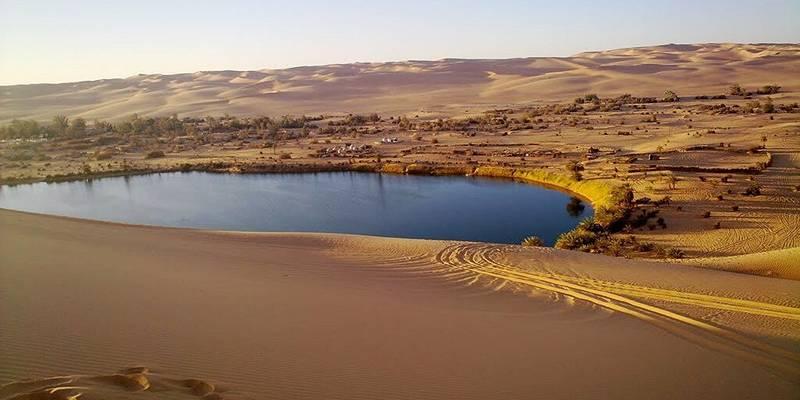
Lake Gaberoun is among the most well-known lakes in the Ubari Sand Sea. Its deep blue surface reflects the dunes and the pale sky, creating an almost surreal image. Around its edges stand a few palm trees and traces of old huts once used by Bedouin families.
The lake’s heavy salinity allows swimmers to float with ease, yet the experience quickly turns unpleasant as the salt burns the skin and lips. Its waters glitter in the sun, but they carry no promise of life. The very clarity that draws visitors conceals its peril.
The Desert’s Silent Deception
The Ubari region experiences temperatures exceeding forty-five degrees Celsius during summer. Travellers crossing the dunes may find themselves surrounded by water that cannot be drunk. The irony is severe — dying of thirst while standing beside a lake.
The high mineral content strips moisture from the body instead of restoring it, making dehydration faster and more painful. For centuries, local nomads have passed down warnings about these deceptive lakes, teaching their descendants to recognise the difference between life-giving wells and deadly mirages.
The Harsh Rules Of Survival
Life in this part of the Sahara depends on knowledge and respect for the environment. The sand shifts constantly, hiding pathways and erasing landmarks within hours. Even a small error in navigation can separate travellers from essential water supplies.
Experienced guides rely on inherited desert wisdom to move between safe zones, carrying camel milk, dates, and fresh water for long distances. Their survival depends not on strength but on understanding the land’s rhythm. The Ubari lakes stand as both markers of beauty and reminders of danger.
Hidden Life Beneath The Surface
Although the lakes are toxic for humans, microscopic life flourishes within them. Researchers have discovered extremophilic organisms that survive despite extreme salinity. These microbes form colourful layers beneath the surface, producing hues of pink, green, and orange visible from the shoreline.
Such organisms are of interest to scientists studying environments similar to those on Mars or other planets. Their existence shows that even the most hostile places on Earth can support life — just not human life.
Stories Passed Through The Dunes
Communities in nearby towns such as Germa and Sabha maintain strong cultural ties to the Ubari lakes. Ancient traders once crossed this desert carrying salt, gold, and other goods along caravan routes connecting central Africa to the Mediterranean coast.
The lakes served as landmarks rather than sources of water. Generations later, their names appear in folklore and songs describing them as “mirrors of silence.” These stories remind listeners of the delicate balance between admiration and caution when facing nature’s deceptive beauty.
The Fragility Of The Landscape
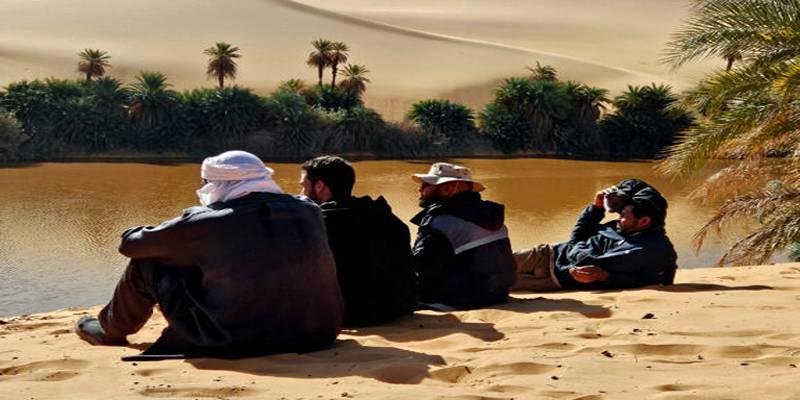
Modern visitors often arrive with vehicles, cameras, and filtered water, eager to capture the surreal scenery. The stillness of the desert amplifies every sound, and the reflection of the sky creates the illusion of walking above clouds. Yet the same environment remains unpredictable.
Sudden sandstorms can swallow trails within minutes, and the lakes’ outlines change with shifting dunes. Scientists have noted gradual shrinkage in several lakes due to evaporation, a slow process that continues to reshape the terrain each year.
Nature’s Warning Reflected In Water
The Ubari lakes stand as a reminder that beauty and danger can coexist within a single frame. Their smooth surfaces mirror the endless sky while concealing depths that can bring death. As each lake evaporates, thick salt crusts remain, glimmering like frost on the sand.
These traces reveal the memory of an ancient sea long gone but never forgotten by the land. The scene captures a powerful image of balance — life and death suspended in shimmering silence. Each reflection tells a story of survival written in salt and light, a message that nature preserves without words.
Conclusion
The crystal lakes of the Ubari Sand Sea remain among nature’s most haunting paradoxes. Their water, pure to the eye, conceals the very danger that defines survival in the desert. They continue to draw researchers, explorers, and photographers who seek to witness their deceptive beauty. The lakes symbolise the fragility of life in extreme environments and remind all who study them that not every form of beauty offers salvation. In the heart of the Sahara, surrounded by silence and light, the Ubari lakes still whisper their warning — water is not always life.