
Growing your own fruits and vegetables is more than a casual hobby. For many people, it becomes a gradual shift in how they eat, move, and care for themselves. From improving everyday nutrition to easing mental strain, home gardening supports both physical and emotional well-being in ways that build quietly over time. Below are six health benefits that help explain why tending a garden can reshape daily life in meaningful ways.
Boosts Nutrient Intake
One of the most immediate advantages of home gardening is the quality of the food itself. Fruits and vegetables grown at home are usually harvested at full ripeness, which helps preserve their natural vitamins, minerals, and antioxidants. Unlike produce that travels long distances and sits in storage, homegrown food is eaten closer to harvest, with fewer nutrients lost along the way.
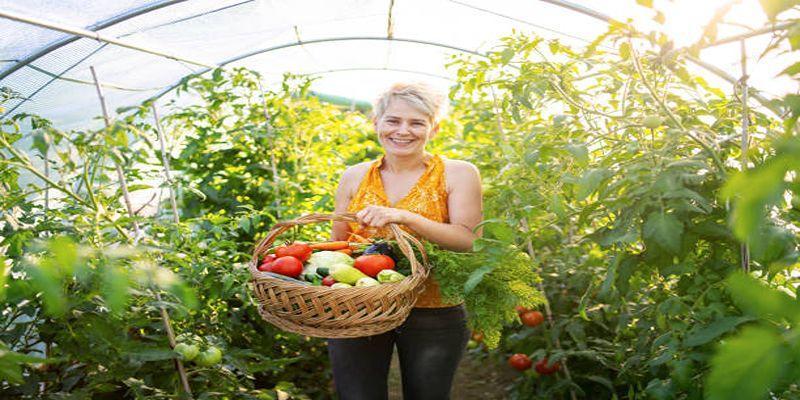
The shorter the gap between harvest and consumption, the better nutrient retention tends to be. Vitamins such as C and A, along with minerals like potassium and magnesium, remain more intact and continue to support immune function, energy levels, and overall vitality. Over time, this freshness can noticeably improve daily nutritional intake.
Growing your own produce also encourages dietary variety. Many people experiment with vegetables and fruits they would not normally buy, such as heirloom tomatoes, leafy greens, or less common peppers. This diversity adds balance to meals and ensures the body receives a broader range of beneficial plant compounds. In addition, plants grown under natural sunlight often contain higher levels of antioxidants, which help protect cells from oxidative stress and support long-term health.
Enhances Physical Health
Gardening naturally integrates movement into daily routines. Tasks like planting, watering, weeding, and harvesting engage multiple muscle groups while improving flexibility and coordination. Although the activity feels gentle, it provides consistent physical stimulation that supports overall fitness.
Unlike high-impact workouts, gardening places less strain on the joints while still building strength and endurance. Bending, lifting, and stretching help maintain mobility and balance, which becomes increasingly important with age. This makes gardening a practical form of exercise for a wide range of fitness levels.
Regular time spent in the garden can also benefit cardiovascular health. Moderate, sustained movement raises heart rate, improves circulation, and may contribute to healthier blood pressure levels. Over time, these small but repeated efforts support heart function and physical resilience. The physical demands of gardening also strengthen both upper and lower body muscles and can help maintain bone density, reducing the risk of age-related weakness and poor posture.
Reduces Stress and Promotes Mental Wellness
The mental health benefits of gardening are often as meaningful as the physical ones. Time spent outdoors, combined with focused, hands-on tasks, creates a calming rhythm that helps counter daily stress and mental fatigue.
Interacting with soil, plants, and natural light has been associated with lower stress levels and improved mood. Natural environments help regulate cortisol, the body’s stress hormone, while supporting a sense of calm and emotional balance. Many people find that even short periods in the garden provide mental relief.
Gardening also offers a strong sense of purpose. Watching plants grow from seedlings into mature produce creates visible progress and a feeling of accomplishment. This steady growth reinforces patience and confidence, which can be especially grounding during stressful periods. Because gardening requires attention and consistency, it naturally encourages mindfulness, drawing focus away from distractions and helping reduce anxiety over time.
Strengthens the Immune System
A diet rich in fresh fruits and vegetables plays an important role in supporting immune health. Homegrown produce delivers essential nutrients that help the body defend itself and manage inflammation more effectively.
Growing food at home allows greater control over cultivation methods, reducing exposure to synthetic chemicals and preservatives often found in commercially produced foods. This cleaner intake places less strain on the body and allows immune processes to function more efficiently.
Plants grown in natural conditions also tend to produce higher levels of phytonutrients. These compounds have been linked to improved immune response and a lower risk of certain chronic conditions. Regular consumption of nutrient-dense, freshly harvested produce supports overall resilience and long-term health.
Promotes Better Gut Health
Digestive health depends heavily on diet, and homegrown fruits and vegetables are excellent sources of fiber and prebiotics. These components support digestion while influencing immune and mental health through the gut–brain connection.
Dietary fiber helps regulate bowel movements, reduce bloating, and promote digestive comfort. It also contributes to satiety, making it easier to maintain balanced eating habits and a healthy weight. At the same time, a diverse intake of plant-based foods nourishes beneficial gut bacteria. These microbes play a key role in digestion, metabolism, and immune defense, making dietary variety especially important for long-term gut health.
Encourages Sustainable and Mindful Eating
Growing your own food often changes the relationship people have with eating. The direct connection between cultivation and consumption increases awareness of food quality, portion sizes, and nutritional value.
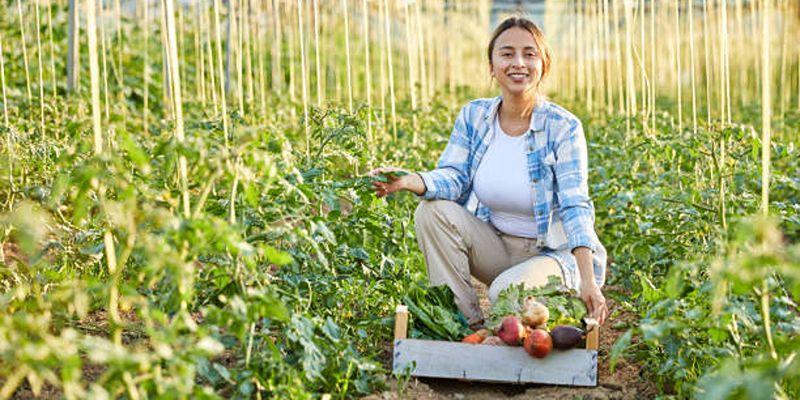
When fresh produce is readily available, people tend to rely less on processed and packaged foods. This naturally reduces intake of excess sugar, sodium, and additives, supporting better long-term health. Gardening also encourages sustainable habits such as composting, reducing food waste, and conserving resources.
Seasonal eating becomes more intuitive as well. Consuming fruits and vegetables when they are naturally in season supports better nutrient density while reducing environmental impact related to transportation and storage. Sharing surplus produce with neighbors or community groups further strengthens social connections and reinforces healthy, sustainable choices.
Conclusion
Growing your own fruits and vegetables offers a well-rounded approach to health. Beyond providing fresh, nutrient-rich food, gardening supports physical movement, reduces stress, strengthens immune function, improves digestion, and encourages mindful eating habits. Over time, it becomes less about the harvest alone and more about cultivating a healthier, more balanced way of living—one that benefits both body and mind.