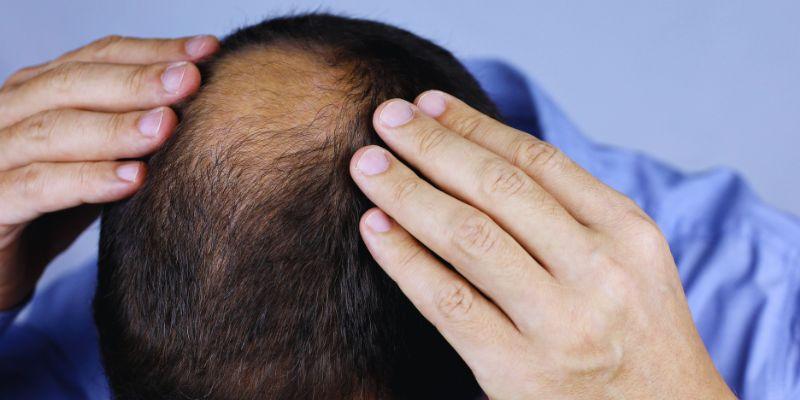
Men's view of their looks mostly depends on their hair. Even if it occurs gradually, losing it may come as a shock and occasionally be upsetting. Many men detect variations without knowing either what to do or why. Hair loss can significantly impact one's self-image, social life, and confidence. Knowing how to react early greatly affects results.
Some individuals naturally adapt to the change, while others seek strategies to either maintain or restore their hair. Proactive measures and awareness can help general scalp health as well as the appearance of hair. This guide helps men understand crucial concepts related to hair changes, enabling them to take control of their hair and feel confident.
Main Causes of Male Hair Loss
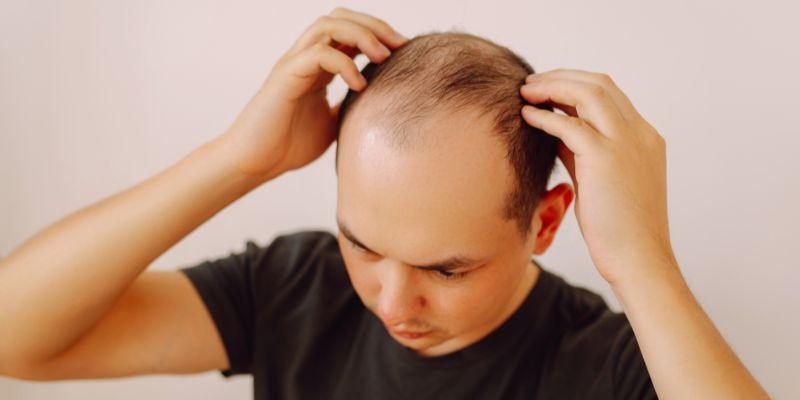
Many factors may contribute to male hair loss; however, genetics is the primary cause. Most males will experience androgenetic alopecia, often known as male pattern baldness, at some time. Hormones like DHT, over time, shrink hair follicles, weakening and thinning hair. Some follicles finally stop making hair altogether. Age also contributes to hair thinning over time. Other elements, including medical disorders, medications, inadequate nutrition, and stress, can aggravate hair loss.
Thyroid issues, iron shortages, and autoimmune disorders can bring on shedding. Lifestyle decisions, including smoking or insufficient sleep, also impact hair health. Knowing these reasons helps males select the best therapies. Understanding why hair loss occurs can help you slow thinning and maintain healthy follicles. It also allows you to make informed decisions about medications, natural treatments, or hair restoration procedures.
Recognizing Hair Loss Patterns Early
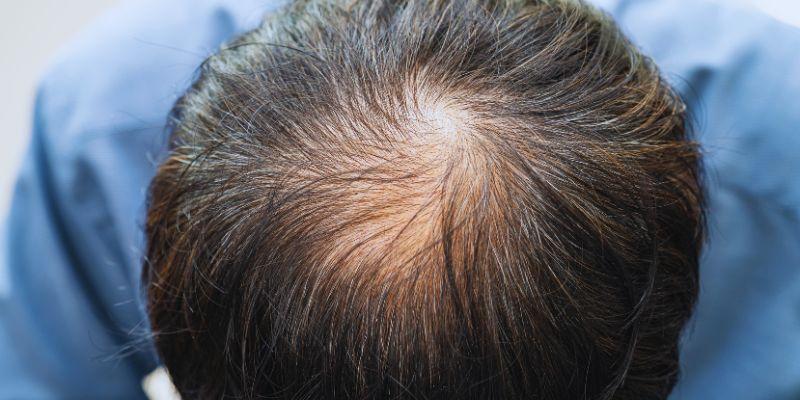
Hair loss in men varies and does not always present uniformly. The most common pattern is a receding hairline, which typically starts at the temples and gradually recedes. Also, thinning at the top or crown of the head often results in a conspicuous bald spot. Some men experience diffuse thinning, in which their hair thins out evenly throughout the scalp.
Less frequent is patchy hair loss, also known as alopecia areata, which manifests as unexpected bald patches. Effective management relies on identifying early developments. Early action is possible by noticing excess shedding, finer strands, or changes in scalp condition. Taking action promptly can help prevent or delay further hair loss and enhance the effectiveness of therapies, including topical solutions, medications, or lifestyle modifications.
Lifestyle Factors That Affect Hair Health
Hair development and strength depend much on lifestyle decisions. A well-balanced diet, including proteins, vitamins, and minerals, helps maintain healthy follicles. Insufficient amounts of iron, zinc, or vitamin D hasten hair loss. Another important component is stress, as it can trigger telogen effluvium, a condition that temporarily causes hair shedding. Smoking and a lack of sleep can lower blood flow.
Excessive use of heat, harsh chemicals, and tight hairstyles can cause significant hair damage, leading to breakage. Regular exercise, stress management, and good Hair care help to keep hair stronger. Eating nutrient-rich foods, avoiding damaging styling tools, and getting enough sleep are small daily steps. These habits can slow thinning and keep your scalp healthy.
Medical Treatments and Hair Restoration
For men experiencing hair loss, several medical treatments are available. Minoxidil, a topical solution, encourages consistent use to help hair grow. It works best on thinning areas and may require months to show results. An oral medicine called finasteride inhibits DHT, encouraging regrowth and preventing further follicle loss. Some men combine both treatments for enhanced results.
Another option for achieving permanent results is a hair transplant, in which healthy hair follicles are relocated to areas with sparse hair. Platelet-rich plasma (PRP) therapy is a relatively new treatment. Before beginning any medical treatment, consulting a dermatologist is essential. Experts can assess your condition, recommend the safest options, promote natural growth through injections, and monitor progress to maximize results while minimizing side effects.
Natural Remedies and Preventive Measures
Natural solutions can enhance conventional treatments or help slow hair loss. Regular scalp massages boost blood flow to follicles, therefore promoting better growth. Many people use essential oils, such as rosemary or peppermint, to maintain a healthy scalp. Although benefits may vary, supplements such as biotin, zinc, or vitamin D can help strengthen hair. Meditating, practicing yoga, or engaging in regular exercise can help reduce tension-related shedding by lowering stress levels.
Mild hair care, avoiding strong chemicals, tight hairstyles, and excessive heat, also helps maintain the hair you have now. Although natural methods may not completely stop hair loss, they can help keep hair healthier, reduce breakage, and enhance the results of medical treatments. The key is regularity in treatment, as the greatest opportunity to stop thinning and encourage stronger scalp health comes from combining good practices with expert guidance.
Coping and Maintaining Confidence
Since hair loss might impact self-esteem and emotional well-being, it's crucial to have coping mechanisms. While many men are uncomfortable or embarrassed about their thinning hair, accepting it can help lower stress. Confidence can be boosted by shorter haircuts, hairpieces, or shaving the head. Counseling and support groups offer emotional support and valuable guidance.
Knowing that hair loss is natural and frequent also lowers worry. Medical treatments, self-care, and lifestyle changes help males take control of their hair health. Maintaining a good attitude while actively managing hair loss helps men feel self-assured, healthy, and in control. Even with thinning hair or receding hairlines, this is simply a natural fact of life for many people.
Conclusion
Although hair changes are normal for many men, understanding their meaning can help simplify hair loss control. Good practices, early observation, and awareness can help prevent hair loss and preserve the health of the scalp. Medical or natural therapies offer methods to maintain or restore hair; coping mechanisms help preserve confidence and overall well-being. Every person's hair is unique; therefore, discovering a customized strategy is crucial. Combining emotional support, knowledge, and proactive care helps individuals take charge of hair changes. Even with thinning parts or receding hairlines, taking the correct actions can help you look and feel your best.