Saint Guilhem le Désert sits in a rugged valley of the Hérault, a village that rewards travelers who think in small logistical steps. It is compact, stone-built, and tied to a narrow road that makes driving feel slower than the map suggests. The place is lovely, and the practical bits determine whether a visit feels relaxed. Decide when to go, how to get there, where to leave the car, and which paths to choose if you plan to hike. Those small choices shape a calm day or a rushed one.
How to Get There Smoothly
The main access routes come from Montpellier or Béziers, and the final stretch uses narrow departmental roads. Drive times are short in distance but longer than maps imply; traffic slows near the village in summer and on weekends. For independent travelers the usual plan is to drive in the morning, find parking, then walk into the village. Public transport exists, though buses are infrequent; if your schedule depends on a coach or train, add thirty minutes of buffer for rural delays.
Parking is the consistent bottleneck. There are small municipal lots and a larger park-and-ride a short walk away. Using the park-and-ride solves the circling problem; it also creates a simple trade-off, a ten-minute walk versus a frustrating search for a closer space. Guides often recommend parking there during festival weekends when local streets close. For groups, reserving a nearby guesthouse with parking removes the single-point failure of a full car park that can blow a half-day schedule.
If you travel by bicycle or on foot from a nearby town the route is straightforward and scenic, but consider shade and water on hot days. For late arrivals, check whether the local mairie has temporary restrictions for events, because narrow lanes can be closed without much notice.
The Must-See Highlights and When to Visit Before Crowds Take Over
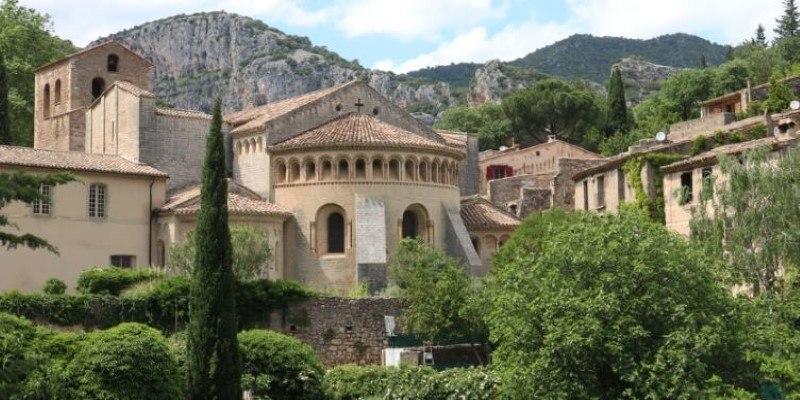
The abbey and the main rue are the village core. The abbey requires thirty to forty minutes if you include the small museum; add time for reading labels and a quiet look at the transept. A slow pace through the lanes, stopping at the baker, a small gallery and a café, makes two hours feel satisfying. Treat Saint Guilhem as a half-day stop rather than a full-day slog; the village is compact and meant to be absorbed slowly.
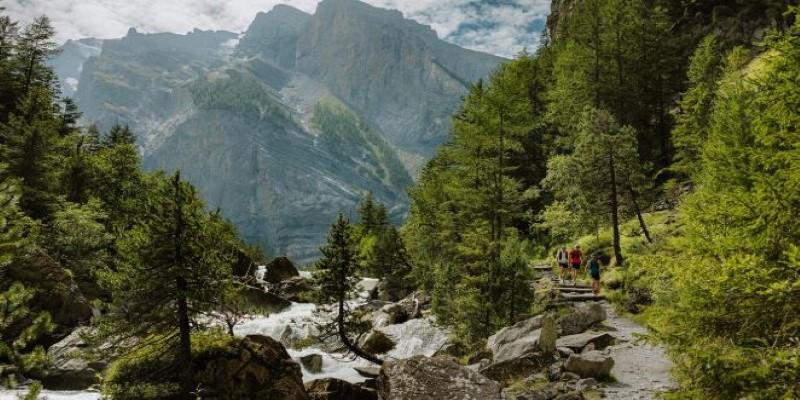
Hiking options extend the visit. Trails up to the Gellone valley and along the Hérault river add variety, but they also introduce timing uncertainty. A pragmatic travel-industry approach is to offer two packages: a short cultural visit with a guided village walks, or a half-day hike with a transfer and basic gear provided. The hike package solves several problems, it removes the need to organize return transport at odd hours, it bundles guide knowledge about terrain, and it manages safety with realistic time estimates and route choices.
Season matters. Spring and autumn give the best light and manageable crowds. Summer brings heat and a surge of day-trippers from nearby coasts; winter is quiet, but some cafés and shops reduce hours. For photographers, early morning light reduces haze and gives cleaner valley views. Travel planners commonly check regional weather and air-quality forecasts before confirming early pickups.
Local Shortcuts and Handy Services
Village services are modest. A few cafés and a couple of restaurants handle most visitors, but they fill quickly at lunchtime. Booking a table makes sense if you are on a tight schedule. For groups, pre-ordering lunch or using a set menu at a nearby auberge keeps the itinerary on time. The trade-off is cost versus certainty; booking reduces the risk of waiting but limits spontaneity.
Accessibility is uneven. Narrow lanes, thresholds and cobbles present real obstacles for mobility aids. If a guest needs step-free access, plan carefully; some parts of the abbey are reachable via gentler ramps, but other lanes are not suitable. A practical workaround is to arrange for a driver drop-off as close as permitted to the main square and keep the core visit short, which reduces walking distances and keeps the day comfortable.
Local businesses sometimes change hours for seasonal staffing. A guide I work with keeps a short list of reliable cafés and the week’s opening times, updated the night before a tour. It is a small habit, but it prevents awkward surprises. Another pragmatic tool is a simple walking map with estimated times between points. Agents attach that map to confirmation emails, so clients arrive with realistic expectations rather than an idealized checklist.
How to Book Smart and Grab the Best Deals
Accommodation near Saint Guilhem follows clear seasonal cycles. Small guesthouses fill early for spring blossom and late summer weekends. Price-watching helps set alerts for target properties and book when a reasonable rate appears. Last-minute cancellations can offer savings, but they carry risk; many agents keep one refundable room as a safety net until a group finalizes.
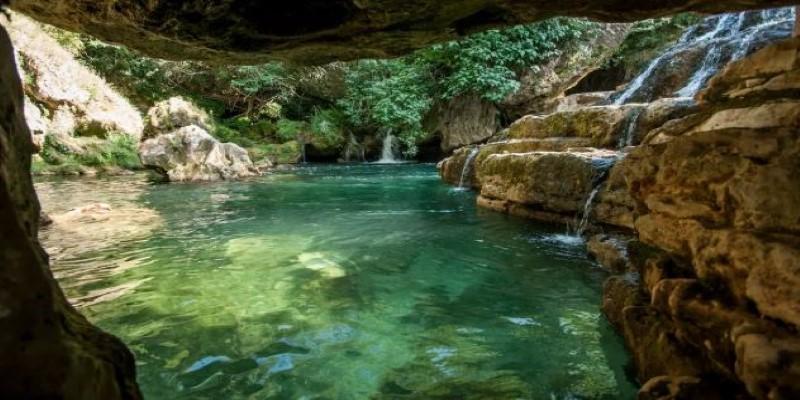
When tours combine the village with nearby sites like the Cirque de Navacelles or Pézenas, transfers must be realistic. Rural roads can slow unexpectedly, and farm vehicles cause short delays. A simple rule of thumb is to add twenty minutes to each transfer leg. It is not glamorous, but it prevents missed trains and scrambled onward plans. For operators, keeping a short list of reliable local drivers is worthwhile; they reduce uncertainty and often save time by using local routes that mapping apps do not suggest.
Tools used by professionals are basic and effective: a shared itinerary with driver contacts, a printed map for each guest, and a list of local phone numbers. These tiny operational aids reduce communication gaps and keep the day moving smoothly. They also help when mobile signal is weak; a paper backup is often the deciding factor that keeps a group on schedule.
Conclusion
Saint Guilhem le Désert gives the calm, medieval experience many visitors seek, but it rewards small operational thinking. Pick sensible travel windows, favor the park-and-ride to avoid parking stress, and decide whether the day will be a short cultural stop or a hike that needs proper gear and transfers. Confirm restaurant bookings and driver details the day before. Pack sturdy shoes, a light rain layer and a charged phone with offline maps. These modest steps turn a potentially rushed stop into a deliberately quiet, memorable day.